
Athlete safety is the highest priority in Granger School District Athletics. Coaches are responsible for creating an environment that is safe, supervised, and aligned with district and WIAA expectations.
Core Safety Expectations
Supervision is required at all times
Safety concerns are addressed immediately
When in doubt, sit them out
Documentation protects athletes and coaches
Coaches will be supported for safety-first decisions
Use this Section When...
An athlete is injured or ill
There is an emergency
Weather or environmental conditions change
A boundary or supervision concern arises
Supervision & Boundaries
For ensuring the safety of athletes and protection of you and your staff, an area of paramount importance as a coach is supervision. The second of 14 legal duties as a coach specifies:
"A coach must be physically present, provide competent instruction, structure practices that are appropriate for the age and maturity of players, prevent foreseeable injuries and respond to injury or trauma in an approved manner. This duty requires supervisors to make sure facilities are locked and that students are denied access when a competent staff member cannot be physically present to supervise. This duty may also require coaches to control reckless player behaviors. Supervision responsibility also pertains to athletic administrators who are expected to be able to supervise coaches competently."
SUPERVISION EXPECTATIONS
Athletes must be supervised at all times
No unsupervised locker room or facility use
Follow arrival and dismissal procedures
A coach must stay in a supervisory role until the last student has been picked up from the school
PROFESSIONAL BOUNDARIES
Maintain appropriate coach-athlete relationships
Avoid one-on-one situations when possible
Male coaches should never be in a one-on-one situation with female athletes, and vice-versa for female coaches and male athletes
Use district approved communication methods
PROTECTING BOUNDARIES PROTECTS EVERYONE
COACHES MUST REPORT
Suspected abuse or neglect
Boundary violations
Safety concerns involving student athletes
REPORTING GUIDELINES
Report immediately
Do not investigate independently
Contact the Athletic Director or any Administrator
ALL COACHES ARE MANDATORY REPORTERS UNDER WASHINGTON STATE LAW. Follow the steps outlined below to make a report:
Notify the Athletic Director or any building administrator about the concern
CLICK HERE for step-by-step instructions on how to make a report
Emergency Action Plans
Emergency Action Plans are in place to ensure quick, coordinated responses to emergencies.
Coach Responsibilities
Know the Crisis Management plans for each facility
Have access to emergency contacts
Identify AED locations
Assign roles when possible

In an Emergency
Stop activity
Call 911
Provide care within training
Send for help
Contact the Athletic Director and/or Administrator
DO NOT leave athletes unsupervised
Injury & Concussion Response
Emergency Action Plans are in place to ensure quick, coordinated responses to emergencies.
Injury Response
Stop activity immediately
Refer to Athletic Director or Administrator when available
Document injuries with injury report form
Communicate with parents of student-athlete
Communicate any concerns promptly

CONCUSSION PROTOCOL
Remove athlete immediately
No same-day return to play
Follow GSD procedures for return to play (RTP)
Clearance of RTP process required by a Medical Professional
Zackery Lystedt Law (RCW 28A.600.190)
WHEN IN DOUBT, SIT THEM OUT
Stop the Bleed
Be Prepared to Save a Life
Granger High School is committed to student and staff safety. As part of our ongoing emergency preparedness efforts, we support the national Stop the Bleed® initiative — a program designed to teach people how to recognize life-threatening bleeding and provide immediate assistance until first responders arrive.
Severe bleeding can become life-threatening in just minutes. Quick action by trained bystanders can save lives.
What is Stop the Bleed?
Stop the Bleed® is a national public awareness campaign created to empower individuals with the skills and confidence to respond during bleeding emergencies.
Participants learn how to:
Recognize life-threatening bleeding
Apply direct pressure
Pack wounds correctly
Use a tourniquet safely and effectively
Respond calmly during emergencies until medical professionals arrive
The training is designed for everyday people and does not require prior medical experience.

Why This Matters
Emergencies can happen anywhere — at school, athletic events, community gatherings, or at home. Immediate response during the first few minutes after an injury can significantly improve outcomes.
By increasing awareness and preparedness, we aim to:
Improve campus safety readiness
Equip staff and students with life-saving skills
Support emergency response efforts
Promote confidence during crisis situations
Environmental Safety
Coaches must work closely with the Athletic Director for environmental risk mitigation. The Athletic Director will frequently collaborate regarding threats to environmental safety for students.
Coaches must be aware of
Heat and Hydration
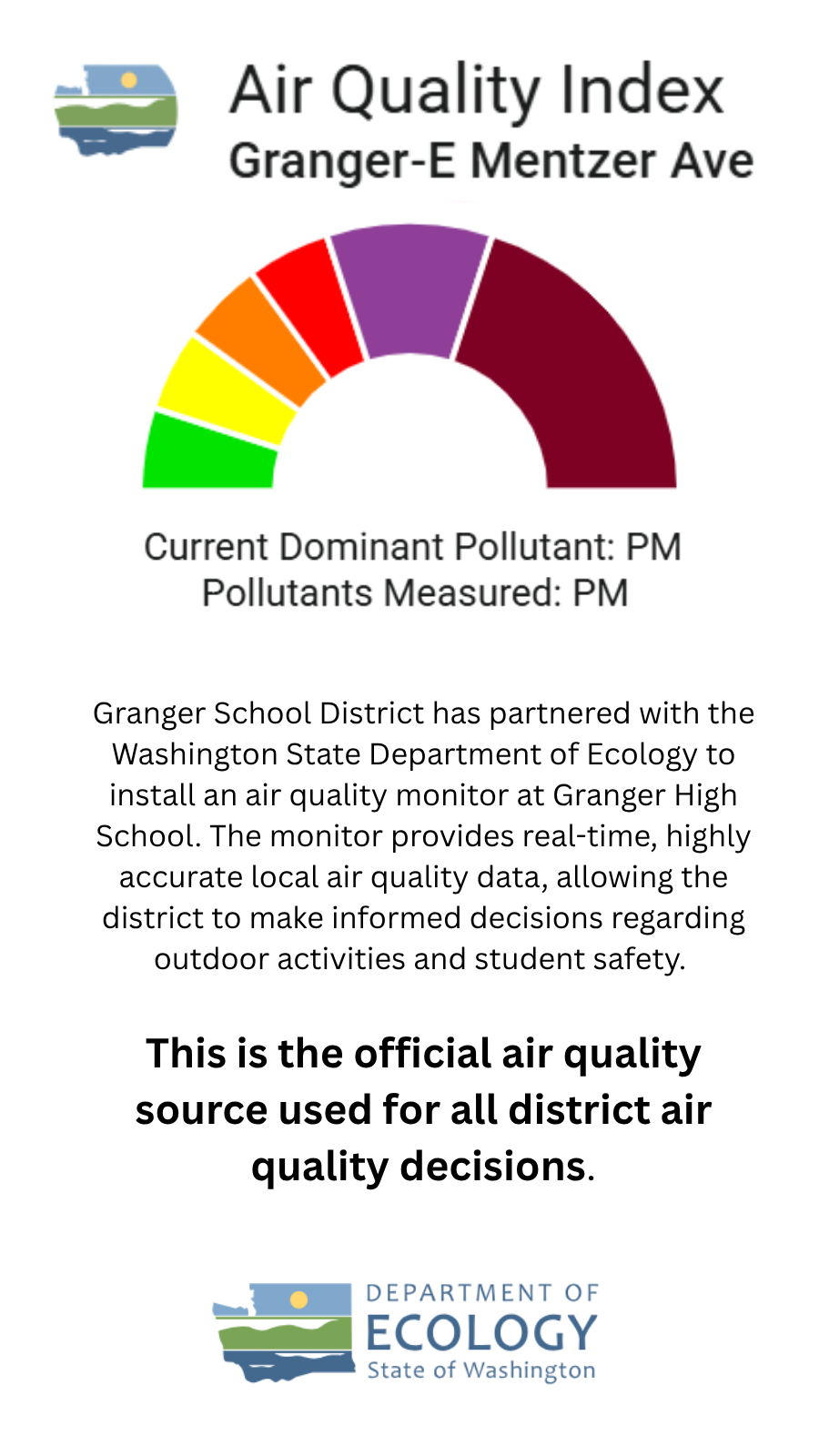
Air Quality
Lightning and Severe Weather
Field and Facility conditions
Should be routinely evaluated by Athletic Director, Coaches and Athletes
Coach Authority
Modify or cancel activity for safety
Delay practice or competition
Move athletes to Safe locations
Coaches will always be supported for safety-based decisions!